
In 1847, nearly fifteen years before the start of the Civil War, Pittsburgh Bishop Michael O'Connor invited six Franciscan friars from Ireland to establish a school and gave them the land for this purpose. It was located in a forest near Loretto, Pennsylvania, where the friars labored to clear the land and then construct the foundations of what would one day become Saint Francis University.
Soon after its humble beginnings, Saint Francis University was recognized by the Commonwealth of Pennsylvania and given the authority to grant educational degrees. Historically, the University ranks as one of the first Catholic Universities in the nation, the first Franciscan college in the country, and one of the first Catholic Universities to become co-educational in the United States.
The University continues to develop. The attractive 600-acre campus features a recently renovated chapel, a new science center, nine residence halls, a student union, classroom and administrative buildings, an athletics center, dining hall, and a library. Recent expansions and upcoming renovations are expanding the learning opportunities at Saint Francis.
The magnificent former Charles M. Schwab Estate and Gardens (now Mount Assisi Friary), Lake Saint Francis and Immergrun Golf Club further complement the Saint Francis Campus, making the setting ideal not only for focused learning, but tranquil living as well. Diverse cultural opportunities are available for students and area residents alike through the University's fine arts program and the Southern Alleghenies Museum of Art.
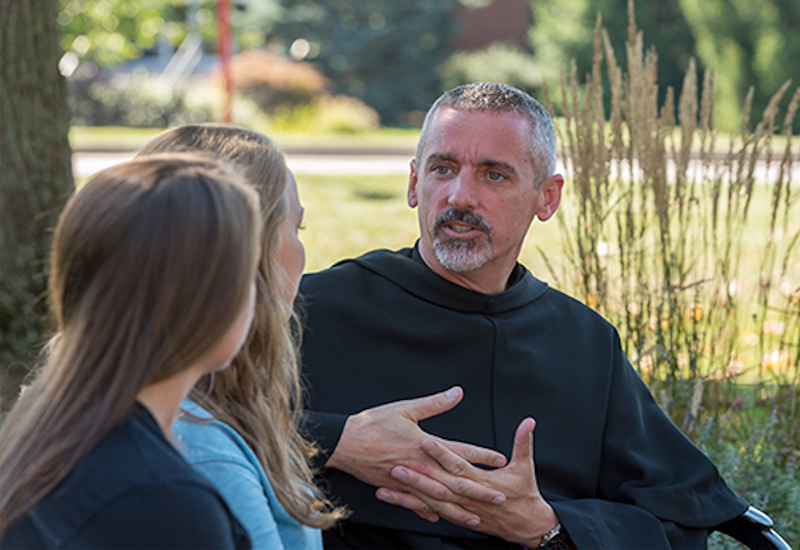
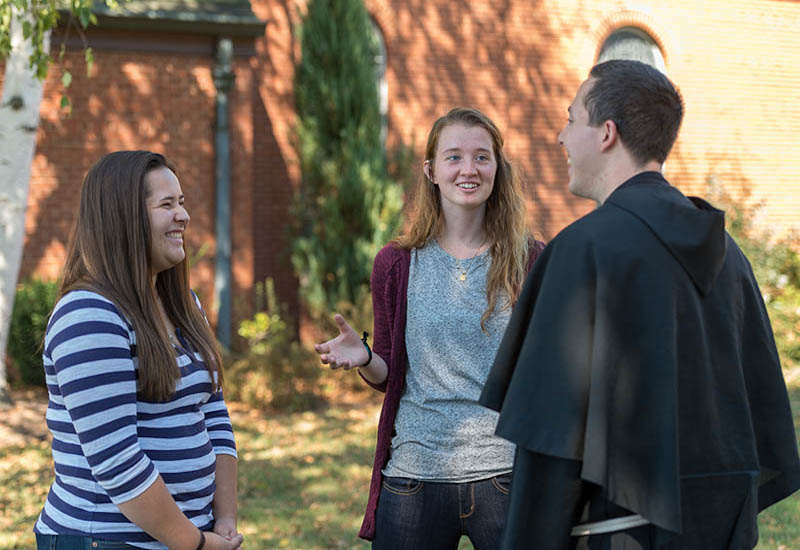
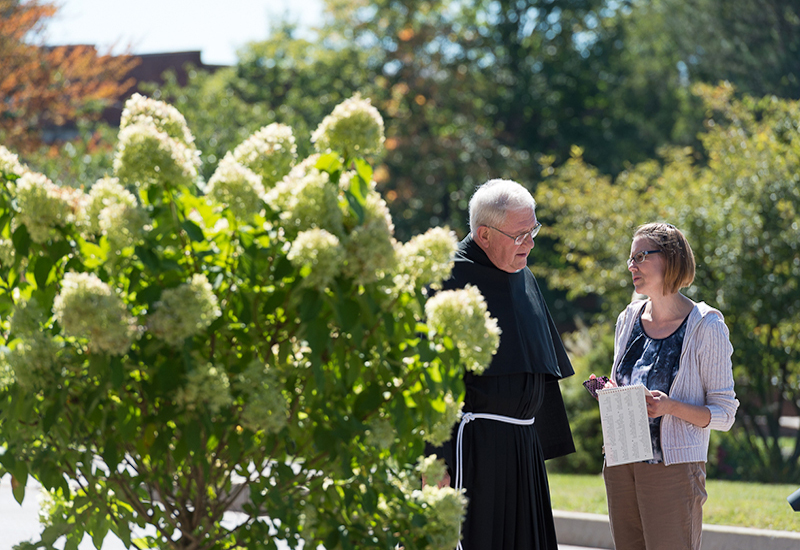
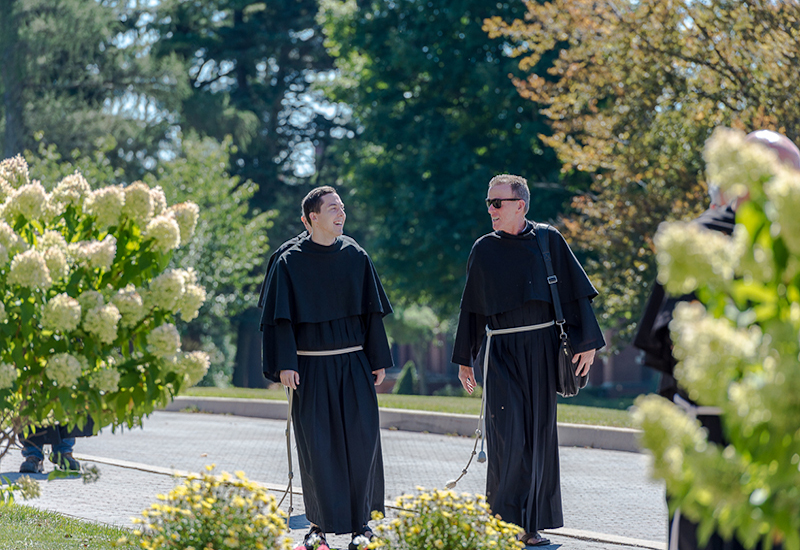
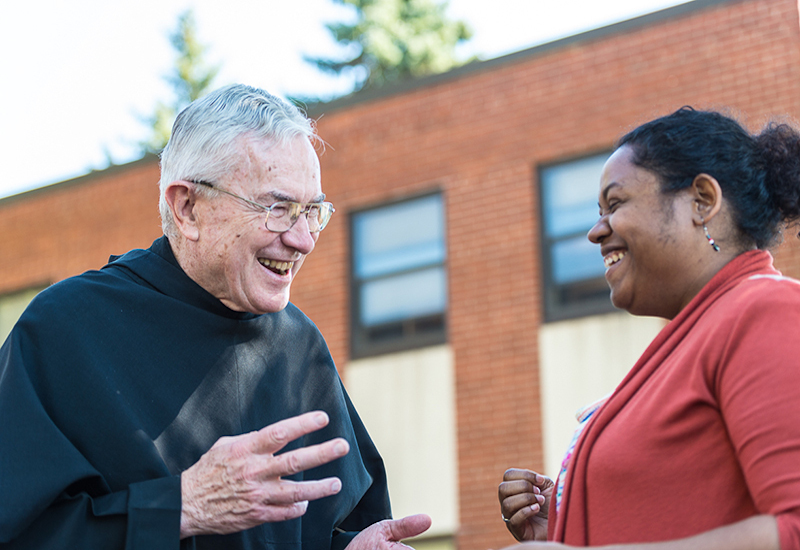
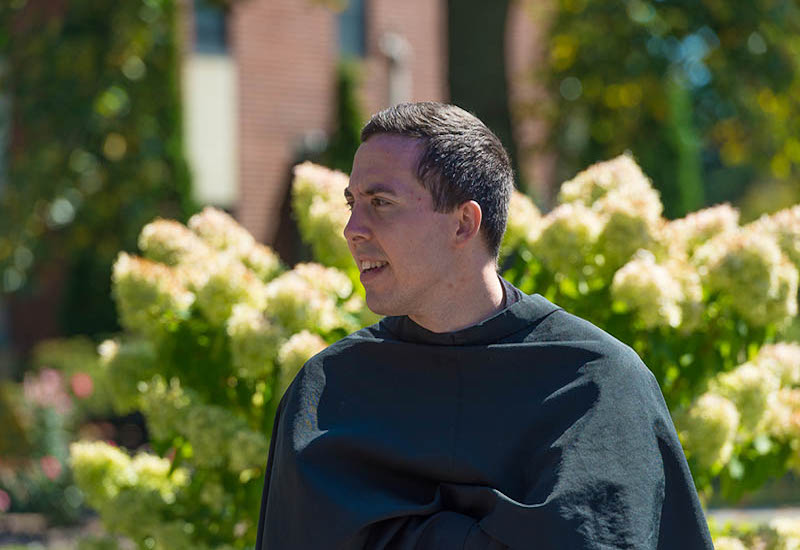
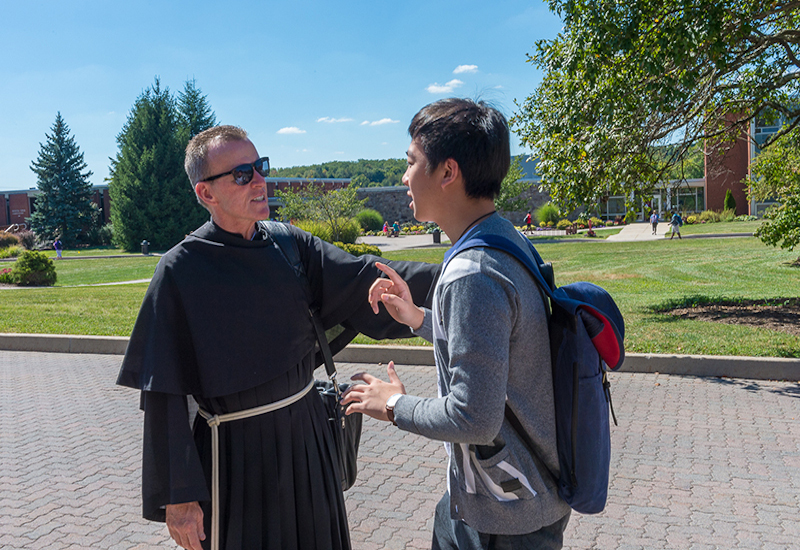
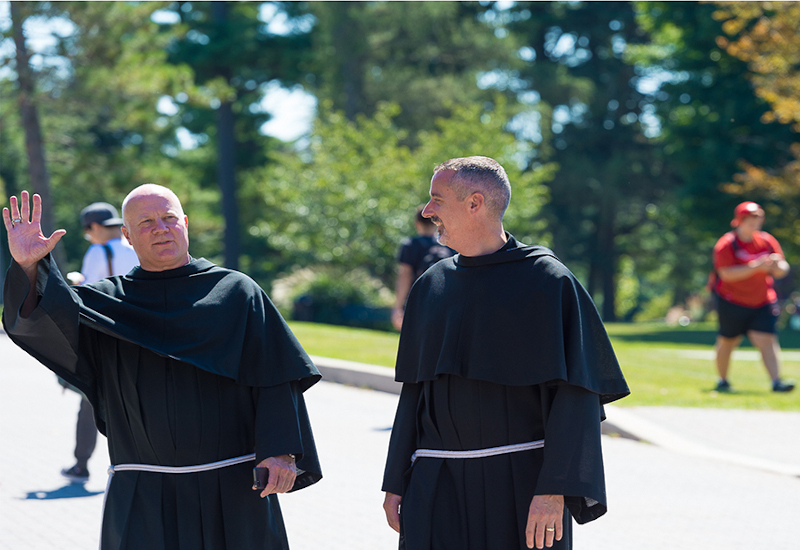
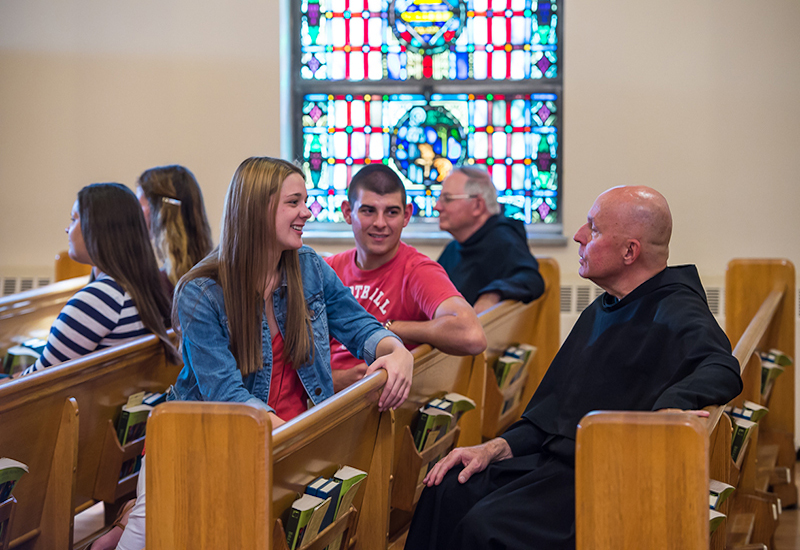
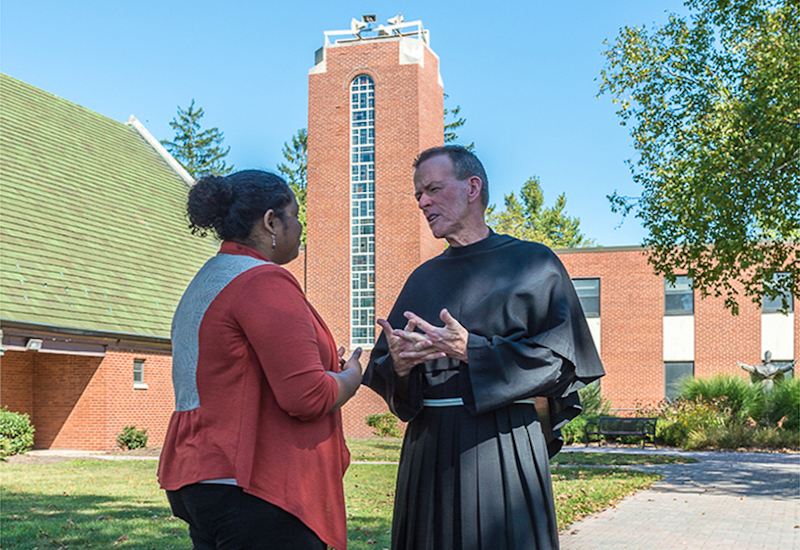
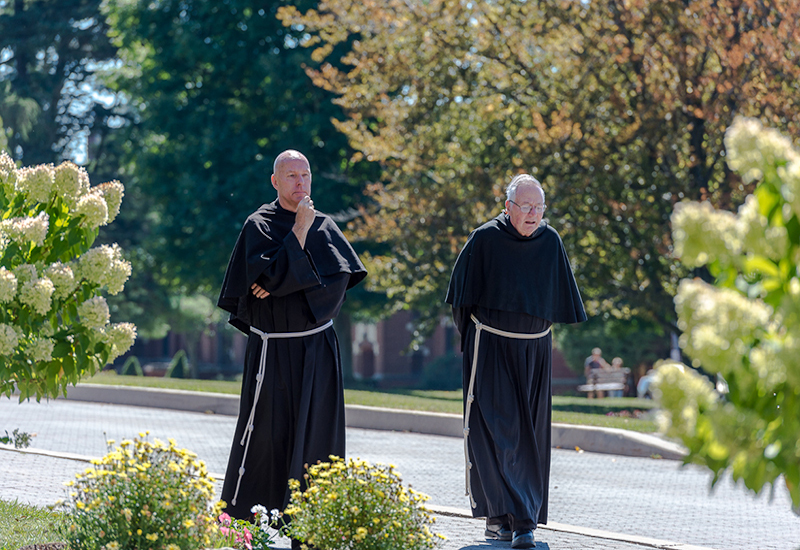
The TOR Francsican Friars continue to play a prominent role on camps, serving in capacities from University President, other administrative positions, professors, campus ministers, instructors, athletics chaplains, and all numerous other university roles. The friars serve as a constant witness to the Catholic and Franciscan identity of the university, particularly the incarnation, passion, death, and resurrection of Jesus Christ.
- 1
- 2
- 3
- 4
- 5
- 6
- 7
- 8
- 9
- 10
- 11
- 12
